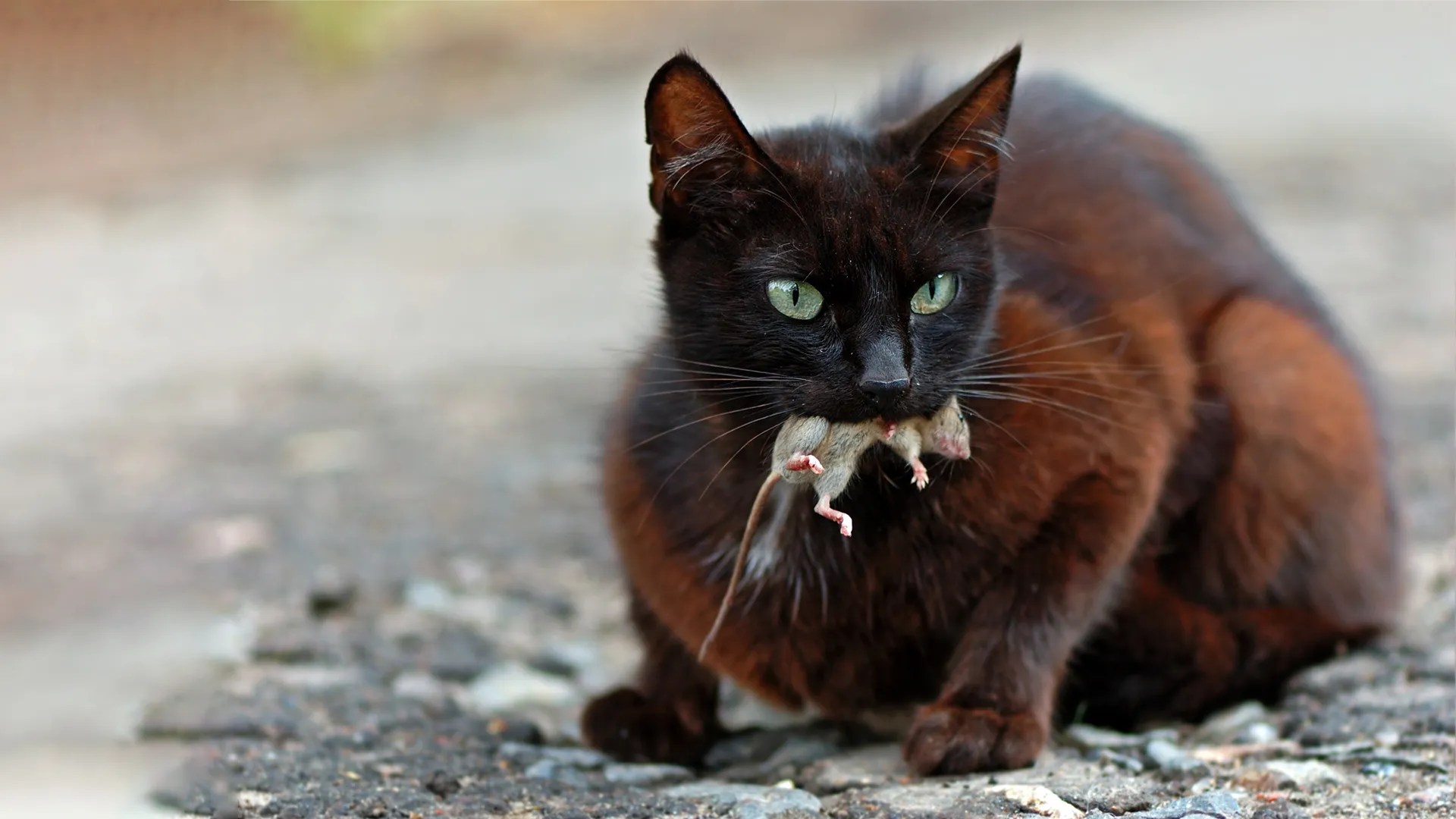
Although it didn’t get much UK coverage, last week saw the ACT Government in Australia expand cat containment across Canberra, the country’s capital, and surrounding territory. In doing so, Canberra caught up with much of the rest of Australia in clamping down on domestic cats roaming around the city and its suburbs. From 1st July 2022 only cats born before that date will be allowed to wander freely unless they are in one of the 17 suburbs which already had cat containment restrictions in force. Existing cats, and their owners, are excluded from the new regime on the grounds they may not be prepared for, or used to, full containment. Clearly, over time, a point will be reached where every domestic cat in the ACT will be required to remain indoors and/or have access to a contained, purpose-built enclosure in which it can exercise.
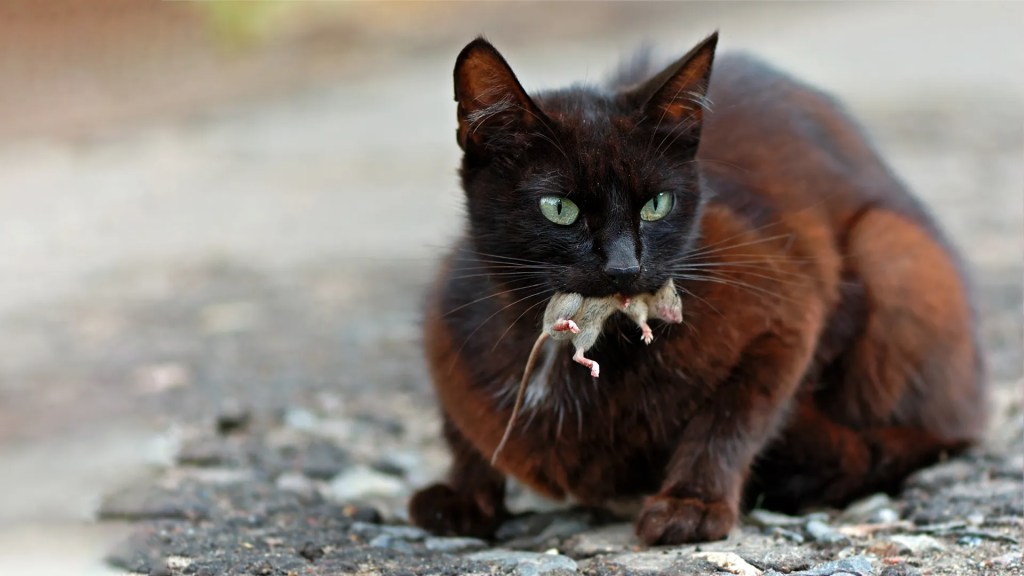
Right across Australia, similar steps have been and are being taken to limit the devastating impact of domestic cats on the country’s wildlife. Measures to control the adverse effects of feral cats have also been introduced in many areas and include trapping, neutering and release projects as well as euthanasia programmes. The reason for such drastic measures? Urban cats in Australia are believed to kill 1 wild animal every 2 days and single cats have been repeatedly shown to cause local extinctions in some areas. Compellingly, in June 2021, Australia’s National Environment Science Programme published the results of a study entitled “The impact of cats in Australia” which estimated cats kill 3.2 million mammals, 1.2 million birds, 1.9 million reptiles, 0.25 million frogs and 3 million invertebrates in the country every day. Yes, you read that correctly, every single day. Although feral cats are the highest contributors to this death toll, pet cats that can roam, and there are 3.8 million of them in Australia, each kill 186 mammals, birds and reptiles every year. That’s around 707 million mammals, birds and reptiles annually.
You can read the full 2021 NESC report here; https://www.nespthreatenedspecies.edu.au/media/eeufmpqx/112-the-impact-of-cats-in-australia-findings-factsheetweb.pdf
It’s widely accepted that reducing the ability of pet cats to roam is beneficial not only to wildlife but that it also increases the health of the overall cat population. Containment restricts the spread of disease, reduces the chance of injury from territorial disputes (not to mention injury or death from one of the many dangerous wild animals in Australia) and removes the potential for traffic injury. It also reduces greatly any public nuisance caused by fighting, cats defecating in neighbouring gardens and the growth in the feral cat population.
For someone living in the UK the efforts being made in Australia to curb the movement of a domestic pet might seem irrelevant or nonsensical. And yet even in this country there are many who feel the time has come to address the widespread ecological damage caused on a daily basis by both domestic cats and dogs. A 2003 survey-based study into the predation of wildlife by domestic cats in Great Britain estimated that between 1st April and 31st August 1997 the then 9 million population of domestic cats (and ignoring feral cats) brought home 92 million prey items including 57 million mammals, 27 million birds and 5 million reptiles.
That’s staggering. 92 million animals killed by UK domestic cats in just 5 months. With the UK cat population having grown to an estimated 12.2 million by 2021 the extent of wildlife predation today is shocking to consider.
You can find the 2003 survey report here: https://www.researchgate.net/publication/228812037_Predation_of_wildlife_by_domestic_cats_Felis_catus_in_Great_Britain
To be clear, I’ve got nothing against cats. Although I’m more of a dog-lover and have two rescued Serbian street dogs at home my family has owned cats in the past and many of my relatives still do. Although, in my experience, cats aren’t wild about me, I like them. Yet there’s no getting away from the fact cats enjoy hunting and killing or that domestic cats rarely kill for food if they’re being properly cared for. They do it instinctively and because they can.
So should something be done in the UK to reduce their roaming and predatory habits? I think so. Can it be done? Absolutely. Cat curfews are already a thing in some parts of the world, including Australia, with fines levied on the owners of any cats found wandering at night, requiring cats in curfew areas to be registered and chipped. Cat pens and contained playgrounds can offer the exercise and stimulation they need in total safety and there’s no reason cats can’t be walked on harnesses in exactly the same way as dogs. Would it be an easy transition? No, radical changes never are. And 12 million UK cats implies several million voters who need to be appeased. Might we begin to raise awareness of the “cat (and dog) problem” in the UK? Encourage cat owners to limit their pets’ outdoor, and certainly night-time, activities? Absolutely. As with most behaviours that are having an adverse affect, it starts with recognition and acceptance that there’s a problem. And, undeniably, there is one.
We never let our dogs out for a wander on their own, beyond the confines of a contained garden, and we take complete responsibility for having them under control when we walk them. We wouldn’t let them climb into a neighbours garden, defecate wherever they want without collecting and disposing of their poo (biodegradable bags, obviously!) and we wouldn’t dream of letting them wander the streets all night. So why do we treat cats so differently? And why shouldn’t we do something positive to introduce cat curfews or containment initiatives to protect cats and wildlife in the middle of a shocking biodiversity crisis in the UK? In Australia there’s talk of mandatory cat registration right across the country. Personally I’d support that for cats, and dogs, in the UK for a number of reasons. It’s a welfare issue both for our domestic pets and our wildlife.
On the subject of dogs I’ll likely be writing another blog before long on the widely varied understandings of what “under control” means and the responsibility of dog owners to other dogs, livestock and wildlife. In the same way cats kill wildlife, the behaviour of dogs, often accidentally, leads to the death or injury of many animals, especially in the countryside. Even the most mild mannered ball of fluff can turn killer when the red mist descends and instinct takes over. Whether it’s chasing down a rabbit or squirrel, driving deer onto a road, picking up and shaking wildfowl or ploughing happily through the habitats of ground-nesting birds, dogs are also a problem. The situation isn’t helped by the apparent reluctance of many organisations and landowners to insist that dogs should be kept on a lead in, for example, nature reserves and wildlife hot-spots. Our dogs are always “under control” until they’re not. And then it’s too late.

 ecolelogical